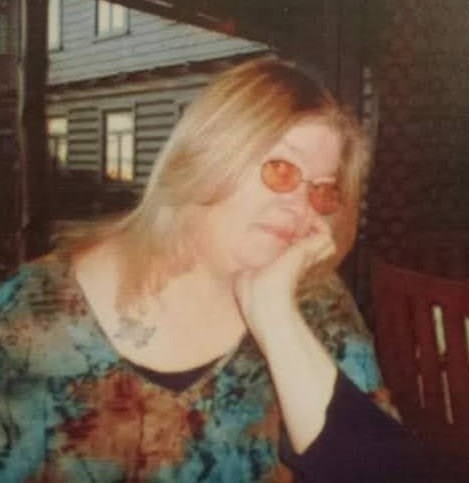
Tracking Down Old ID Documents: Linda’s Story
When Linda was told she couldn’t get an Indiana state ID until she submitted multiple marriage licenses and divorce decrees — one dating back to fifty years — she was floored.
Like so many other Americans who change their name, Linda found herself taking on the role of a detective, stuck in a maze of bureaucracy and paperwork as she attempted to track down a paper trail of documents to prove how her last name had become “Dickerson.”
“If you’ve been married and divorced and don’t take back the name that matches your birth certificate, you have to keep certified copies of all this information. I thought, how many other women are in this same situation? I bet it’s a lot.”
It is. Approximately seven out of 10 women change their last name when they get married or divorced. This percentage is especially concerning when considering the tidal wave of voter ID laws that has swept our country since 2020. Voter ID laws, which are currently in place in 38 states, often require that voters present an ID that matches the name they used when they registered to vote — which can be years ago. Trans women who change their name also often face barriers to the ballot box in addition to experiencing intimidation, discrimination, and harassment if their gender presentation or name doesn’t match their ID or voter registration.
Women have powered our democracy for decades. According to the Rutgers Center for American Women and Politics, women have voted in every presidential election at higher rates than men since 1964. In the 2020 presidential election, women cast 10 million more ballots, and over seven million more women registered to vote in 2022.
Every year, more women are actively engaging in our democracy — and yet millions are being silenced by restrictive and convoluted voter ID laws.
“I can’t vote in Indiana without a photo ID. I’m also in a wheelchair and don’t have money to pay for these documents. Indiana’s voter ID law is disenfranchising female, disabled, and low-income people. It’s so discriminatory. Voting is very important — it’s your civic duty.”
Linda moved to Indiana in 2021. Her previous driver’s license from Kentucky expired in 2022. It wasn’t until November 2023 that Linda finally found a way to get the Indiana ID she needed.
One day, Linda was scrolling through social media when she came across a video on TikTok that mentioned how VoteRiders could help folks obtain underlying documents needed to secure an ID. Linda visited VoteRiders’ website and sent an email to [email protected] explaining that she needed assistance. Shelly, one of VoteRiders’ dedicated volunteers, followed up with Linda shortly afterwards. Shelly gathered information from Linda and was able to track down her marriage licenses and divorce decrees.
“Shelly performed miracles,” Linda exclaimed. “I was singing her praises from the rooftops.”
When Linda’s final divorce decree arrives from Washington, it’ll be time for her to secure her Indiana state ID. Because Linda is disabled, getting to and from her local BMV is challenging.
“Shelly said that if I had to go to the BVM to get my ID, she would arrange free transportation there and back and another VoteRiders volunteer would be there in person to assist me,” Linda explained.
When Linda thinks about how she will feel when she’s finally able to hold her new ID in her hand, the first word that comes to her mind is “freedom.”
“I’ll be free to vote and be who I am. I’ve told many people about VoteRiders. I’ve said, ‘If you’re a woman, you need to pay attention because you may not know that you can’t vote. I can’t thank VoteRiders enough for everything.”
