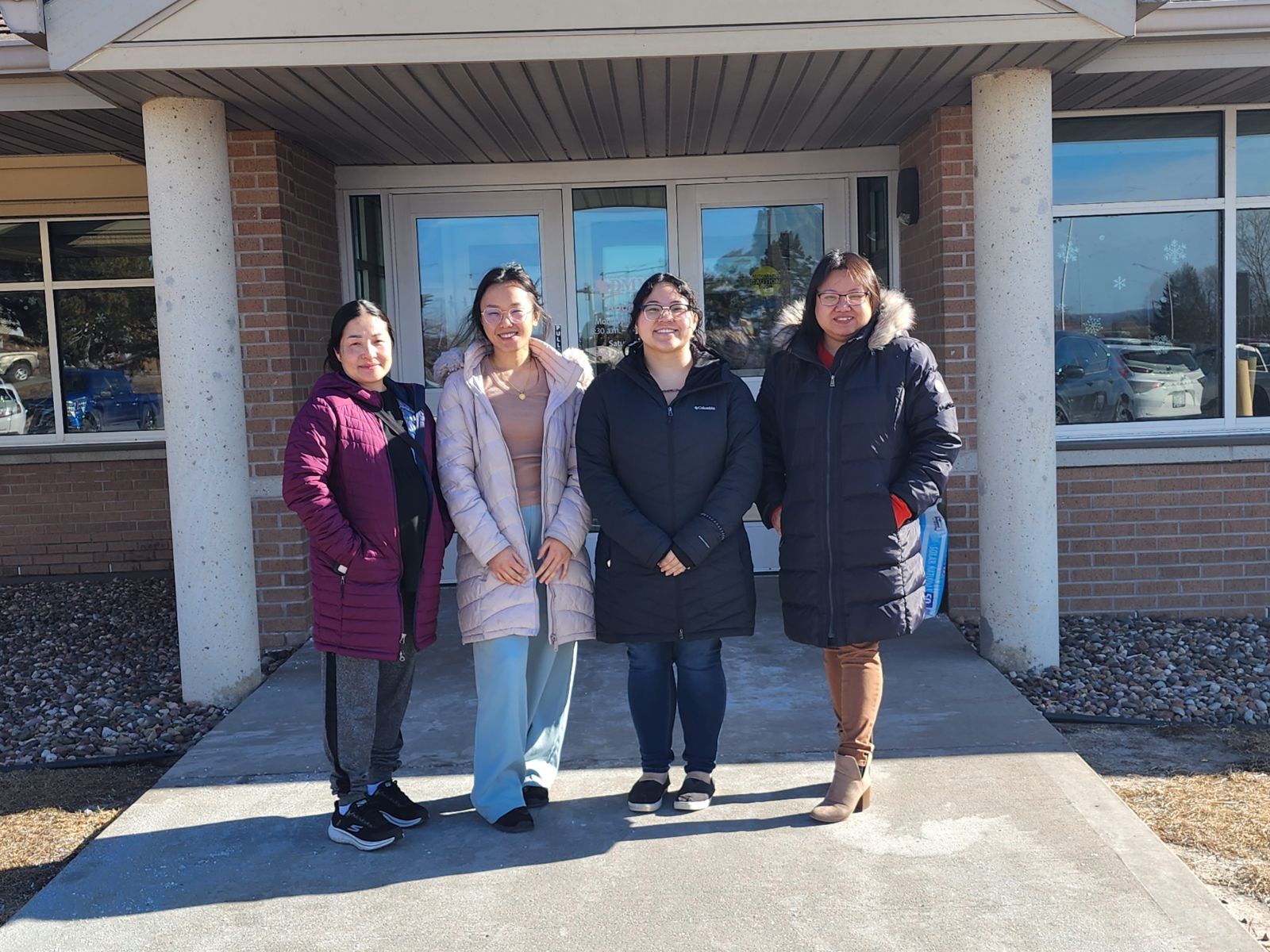
AANHPI Heritage Month 2026 Feature: Empowering Hmong Voters in Wisconsin
The United States is home to millions of diverse voices with roots from every corner of the world, and AANHPI communities are currently the fastest-growing demographic in the nation. Between 2000 and 2019, the Asian population grew 81%, and the Native Hawaiian and Pacific Islander population rose 61%, marking the AANHPI community’s transition from a growing demographic to a pillar of American democracy.
Fifteen million AANHPI voters were eligible to cast a ballot in 2024, and these numbers are expected to climb. The number of Native Hawaiians and Pacific Islanders in the U.S. is projected to surpass two million by 2030, and 35 million Asian Americans are expected to reside in the U.S. by 2060. With growth like this, it’s no wonder AANHPI voters have become a consistently powerful voting bloc in recent elections, particularly in battleground states where their votes can shift our nation’s political landscape.
Unfortunately, just as AANHPI voters’ electoral power is growing, so are the voting barriers that serve to undermine it. Confusing voter ID requirements, vote-by-mail restrictions, and language gaps are just a few of the many barriers that can block AANHPI voters from making their voices heard on the issues that matter most.
To bridge this gap and cut through the noise for every eligible voter, VoteRiders provides free voter ID assistance and resources. We do this through partnerships with trusted organizations representing marginalized communities across the country, including AANHPI communities navigating voter ID laws in states like Wisconsin.
One of our critical local partners in Wisconsin is Cia Siab, a Hmong-focused service and advocacy organization based in La Crosse. Working alongside their staff, we help voters flex their power at the ballot box by helping them get the ID they need to vote and thrive.
About Cia Siab
Cia Siab — meaning “hope” in Hmong — is a leader in Wisconsin’s AANHPI community, advancing gender justice and providing anti-gender-based violence support rooted in Hmong language and culture to intergenerational Hmong Wisconsinites.
While Wisconsin’s population is almost 80% white, the state is home to approximately 58,000 Hmong residents — the third-largest Hmong population in the country. The Hmong are an ethnic group from Southeast Asia with a unique culture and language tracing back thousands of years. Their ties to the United States began during the Vietnam War, when Hmong soldiers served as allies to the U.S. Following the war’s end and the withdrawal of U.S. troops, the Hmong faced state-sanctioned persecution in Laos. They fled Southeast Asia and lived as refugees across the world, with many settling in Wisconsin in the late 1970s and early 1980s.
Dismantling Ballot Box Barriers
Wisconsin’s strict voter ID law is a significant barrier for many Hmong voters, especially those with limited English proficiency. These hurdles show up in various ways. For example, VoteRiders spoke to Cia Siab Community Resource Advocate Maij Xyoo, who explained that many Hmong community members face difficulties providing proof of residency to register to vote after a move because their ID often lists an old address.
“They didn’t know they needed proof of their new address,” Maij explained. “Or sometimes they’ll bring junk mail to show for proof of address, but that’s not a valid form.”
Maij, who leads Cia Siab’s civic engagement program, used to ask clients if they had an ID to vote. Her work, however, has since taught her how confusing Wisconsin’s ID requirements can be, and she has learned to be much more specific with her ask.
“Now I ask them if they have an ID that has their current address, “ she said. “ I just want them to have one ID and not have to find all this paperwork to bring. If they say ‘no’, then I say let’s meet at the DMV, and I will help you get a new one.”
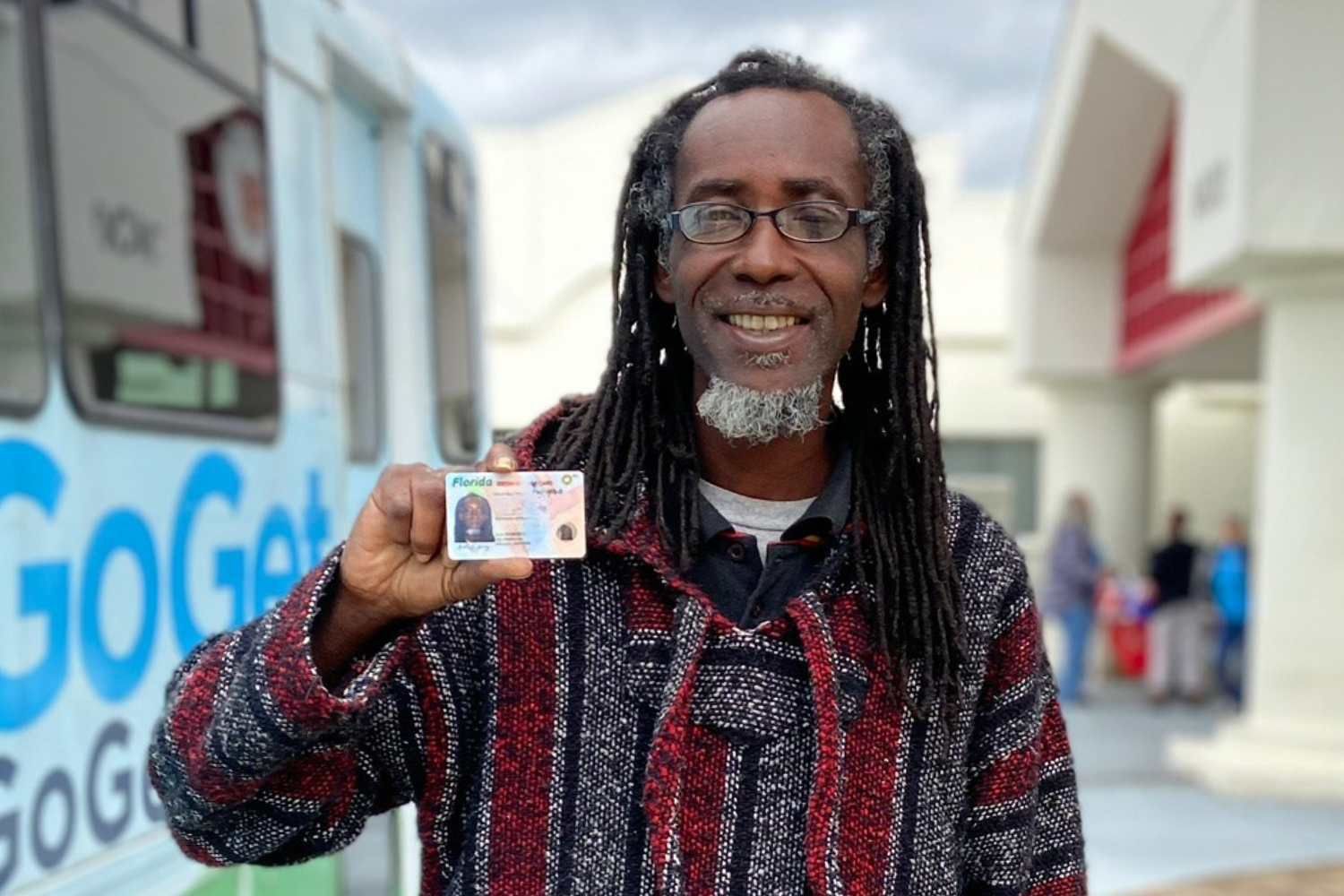
Through Cia Siab’s partnership with VoteRiders, Maij helps voters track down the documents they need to register and vote, request and pay for those documents, and schedule appointments at the Department of Motor Vehicles (DMV). Since transportation is a barrier for rural voters and those without reliable access to a vehicle, VoteRiders’ resources also provide free, round-trip transportation to the DMV and other ID-issuing offices. Maij, who is fluent in both English and Hmong, also often accompanies clients to the DMV to support them in case they face unexpected difficulties or discrimination.
“Many Hmong people are afraid to go to the DMV because, as a person of color, especially as an Asian-passing person, xenophobia makes them feel like they’re going to face extra scrutiny.” Maij expressed. “Having a person who they know is going to be on their side has helped Hmong people feel like they’re willing to face the inconvenience of getting a new ID.”
Once Cia Siab and VoteRiders have helped a voter obtain an up-to-date ID, they are then able to register to vote and provide the ID that is required to vote in Wisconsin’s elections.
Connecting Everyday Needs to the Power of Voting
Cia Siab’s services are built on a foundation of trust. To connect with community members who are apathetic, cynical, or even fearful of voting, Maij approaches the topic with patience and understanding.
“Voting can be very sensitive,” she explained. “Our work is completely nonpartisan, but talking about voting can be seen as dangerous territory, it somehow goes into partisan politics. People also just don’t have any civic literacy to really talk about it. It takes a while to get there, and trust is the centerpiece of it all.”
Beyond voting, an up-to-date ID opens doors to stable housing, employment, healthcare, travel, and much more. By helping people secure the ID they need for daily life, Cia Siab and VoteRiders are bridging the gap between personal stability and the democratic process, ensuring that when basic needs are met, people have more than just a document — they have the mental and physical bandwidth to engage in their community and democracy.
“The day-to-day quality of life issues are very important,” said Maij. “Housing needs, food insecurity, public assistance, the conditions of our roads and our parks, these are the issues that make elections tangible and show voters how important it is that they go vote.”
In 2024, Cia Siab expanded its civic engagement program across Wisconsin and began offering nonpartisan candidate education forums. Over the two years since its launch, Maij has seen community members begin to connect voting to the policies that shape their everyday lives.
“We do this two times a year, and now they’re like, ‘well if that candidate is against Medicare,’ for example, ‘I’m not voting for that person,’ “ Maij explained. “And if they aren’t interested in voting in this election, we maintain our relationship with them through the other services we have, and eventually our goal is to get them to vote in the next election.”
In early 2025, Maij drove a client named Paj (name changed for privacy) to the DMV to get an updated ID. On the way back, Paj admitted that she regretted the candidate she supported in the 2024 federal election. This experience had shifted her perspective on politics, and she planned to vote differently the next chance she got.
Keeping the conversation focused on nonpartisan voter education, Maij saw a perfect opportunity to offer Cia Siab’s candidate education forum as a resource.
“I said, ‘We do candidate education on where candidates stand on important issues, so be sure to attend that so you can learn about the candidates and make the decision that’s right for you about who to vote for.’ “
The Fight Ahead
Our country was founded on the principle that power lies with the people, and to fulfill this promise, the voting public must look like and represent all of us. While the United States has not yet achieved that promise, VoteRiders is working with Cia Siab and thousands of partners across the country to fight for a future where every eligible voter has the ID they need to vote and the freedom to control their lives.
“It’s heartwarming to see how empowered Hmong people feel after they vote,” Maij noted. “When you’re so disenfranchised — you don’t speak English, you dress a little differently than white people here, you live on the margins of mainstream society, you’re negatively visible because you’re a person of color — voting can be so powerful. This feeling of empowerment is what gives life and purpose to our partnership with VoteRiders.”
Sources
