
Naturalized citizens have the same right to vote as citizens born in the United States.
Some states have new voting laws that may affect naturalized citizens. These laws may change registration rules, ID requirements, and the steps to make sure your vote counts.
How to Get Ready:
Update Your ID
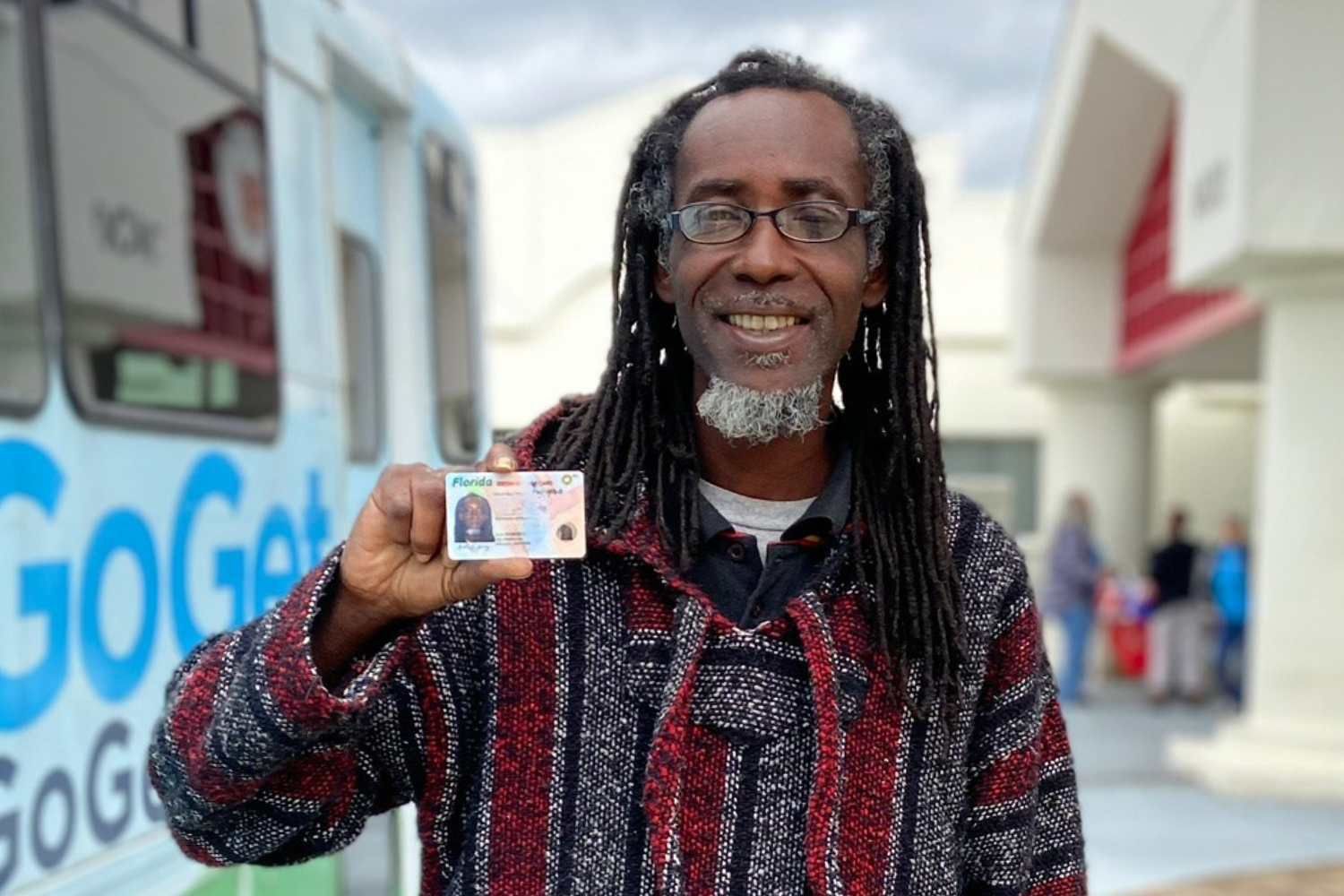
Do you have a driver’s license or state ID card from before you became a US citizen?
If yes, update your ID or citizenship information as soon as you can.
Why This is Important
Election offices use records from places like the DMV to check voter information.
In some states, this includes checking if voters are US citizens.
If your citizen status in these records is not updated:
- Your voter registration may be delayed or denied.
- You could be removed from the voter list because of outdated information.
- You might be asked to vote a provisional ballot and complete follow-up steps.
What to Do
Contact your local ID office and ask how to update your citizenship information.
Check Your Voter Registration
Don’t wait until Election Day.
Checking your registration early gives you time to fix problems.
Why This is Important
Make sure that:
- You are registered to vote.
- Your name and address are correct.
- Your registration status is active.
In some states, you may need to show documents proving you are a US citizen to complete your voter registration.
What to Do
- Use your state’s election website to check your registration.
- If something is wrong, contact your local election office to fix it.
- Check again before your state’s deadline to make sure your registration is active.
 Learn Your State’s Rules
Every state has its own voting rules.
Select your state from the menu at the top of this page to check yours.
Why This is Important
Knowing your state’s rules helps you be ready for Election Day.
Depending on your state:
- You might need to show a specific form of ID.
- Some states ask for documents to prove your US citizenship.
- You could be asked to vote using a provisional ballot and complete follow-up steps.
What to Do
Before Election Day:
- Check your state’s voting rules.
- Get any ID or documents you need to register and vote.
When you vote:
- Bring ID if your state requires it.
- Ask if language assistance or voting help is available.
If you are stopped from voting a regular ballot:
- Don’t leave without voting a provisional ballot.
- Get clear instructions on how to make your vote count.
- Contact Election Protection (866-OUR-VOTE) (assistance available in multiple languages).
You have the right to ask questions and get clear answers!