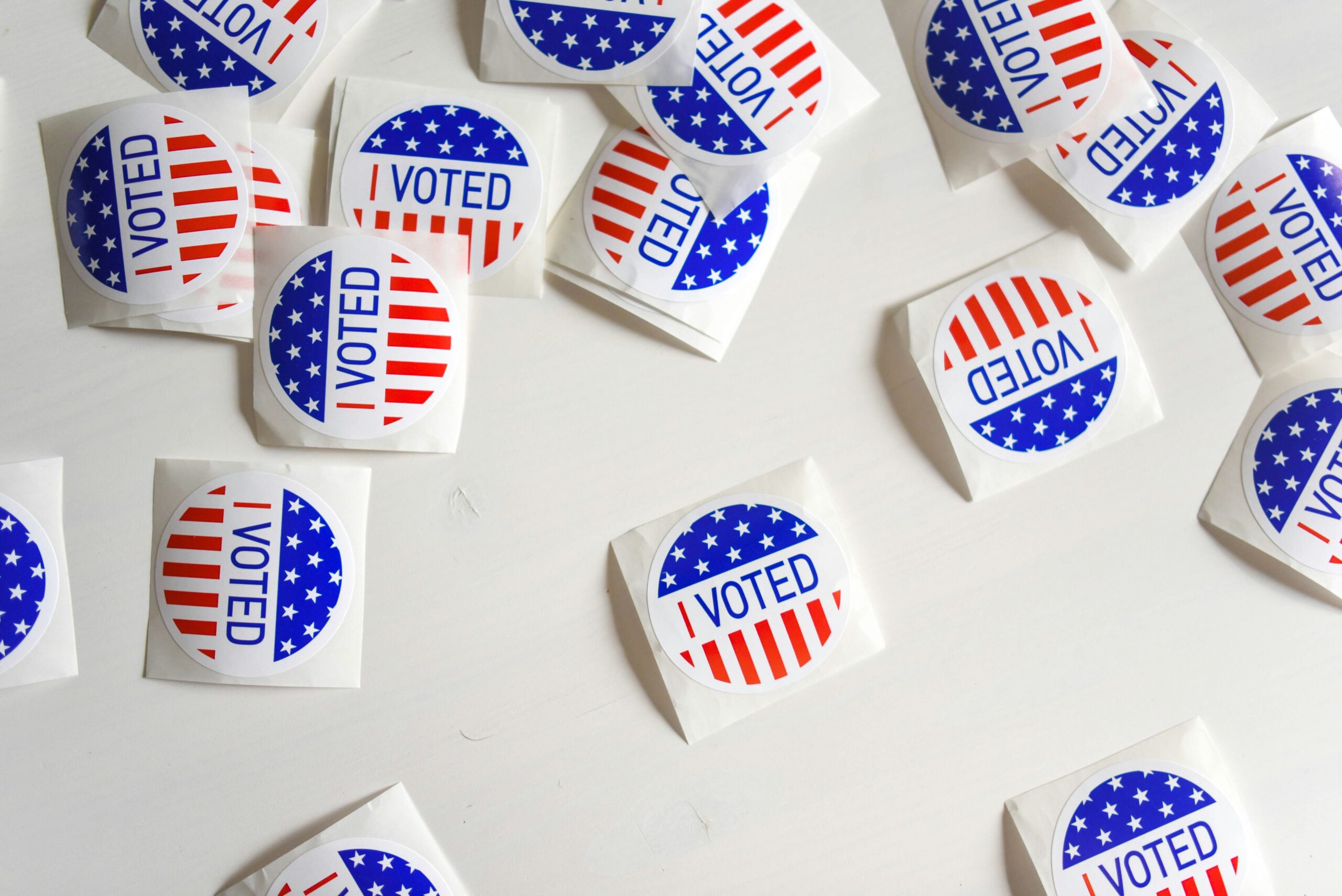
Voters Across the Country Will Decide Whether to Enact New & Stricter Voter ID Laws This Year
This year marks the highest number of voter ID measures on statewide ballots ever. From 2004 to 2025, a total of 13 voter ID measures were on ballots. This year, voters in at least seven states will choose whether to adopt voter ID laws that could block thousands of eligible Americans from voting.
As part of our mission to provide every American with trusted, clear information about their voting rights and ID laws, we’re unpacking everything you need to know about the voter ID proposals on voters’ ballots this year.
Arizona
Arizona’s already existing voter ID laws require proof of citizenship to register, an ID to vote in person, and require mail ballot voters to prove their identity through signature verification.
If the proposed ballot measure, Proposition 144, passes, it would:
- Require residents voting by mail to provide an accepted ID in addition to signature verification.
- Remove all non-government-issued forms of identification, like a bank statement, from the list of IDs currently accepted for voting, meaning thousands of eligible voters in Arizona who don’t have a government-issued ID would be at risk of not being able to vote.
California
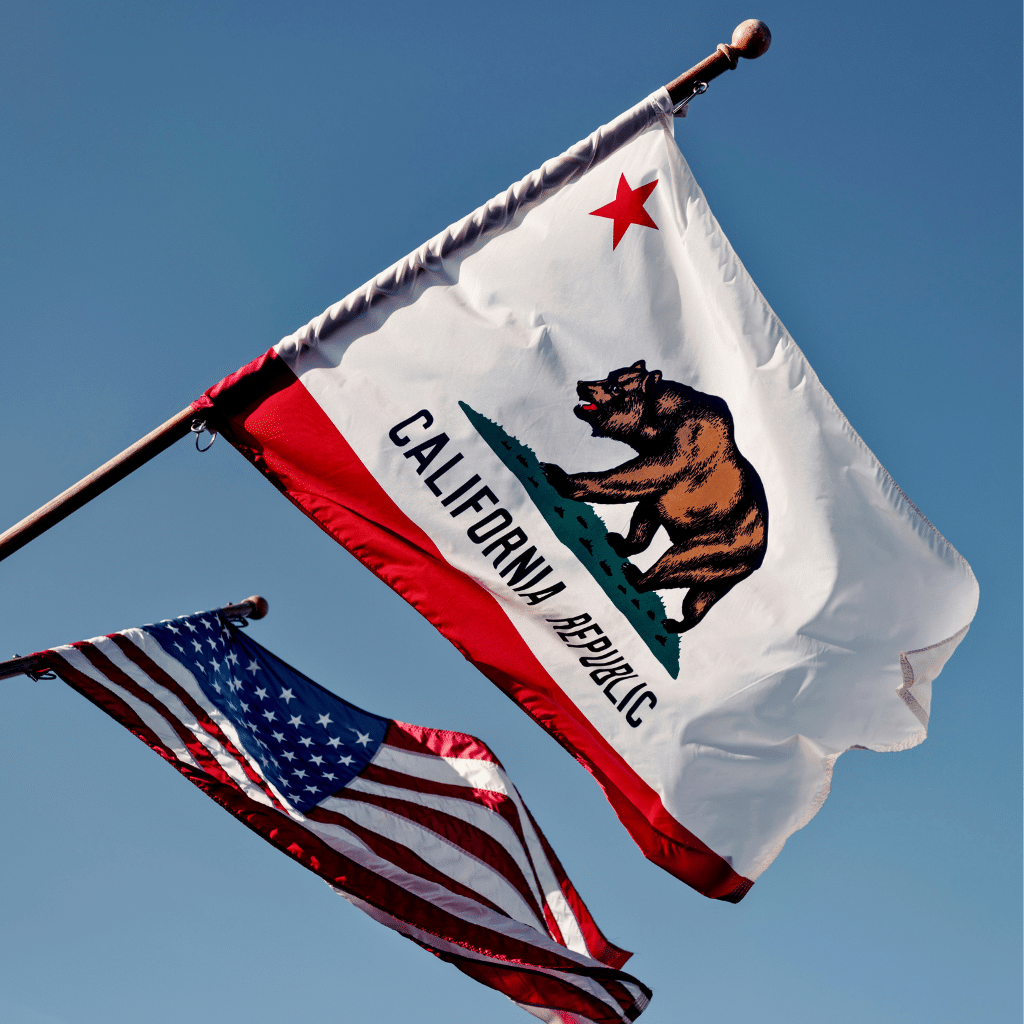
California does not currently require ID to vote because a voter’s identity is already verified during voter registration, as it is in every single state. If California’s voter ID ballot measure, Proposition 39, is approved, it would make major changes to California law by requiring voters to show a government-issued ID when voting in person or include sensitive ID information when voting by mail.
To help put the potential impact of this ballot measure into perspective, consider the fact that our research shows that 4.5 million voting-age citizens in California don’t have a current California state license.
If Proposition 39 is approved, it would:
- Enact a modern-day poll tax. Even a “free” ID is not truly free when you factor in the cost of things like time, transportation, childcare, and, of course, the fees for the underlying documents required to get an ID.
- Create a privacy risk and make identity theft easier. Requiring California voters to put ID numbers on their mail-in ballots would create a paper trail that can be easily seen, stolen, or mishandled.
- Make it harder to vote and increase rejection of valid ballots. Adding even one new requirement creates additional opportunities for voters to make a mistake. Eligible ballots would be rejected if a section is unintentionally left blank or an ID number is written incorrectly. Confusion about which ID to use also often causes people to stay home and not vote at all.
- Create a citizenship verification trap. Election officials would be required to engage in database matching, which can create false “noncitizen” flags, especially for naturalized citizens, voters who share a name or birth date, and anyone whose file contains a minor typo or formatting error. These eligible voters would be at risk of being kicked off the voter rolls.
Michigan
Michigan’s constitution already states that only U.S. citizens can vote, which is also already the law in all state and federal elections. Despite this, a ballot measure now known as the Michigan Citizenship Verification and Voter Identification Initiative will be on the ballot in November. If passed, it would:
- Require the state to conduct regular citizenship checks of every single registered voter (approximately 8 million). Eligible U.S. citizens who are incorrectly flagged could be purged.
- Require every voter to show proof of citizenship to register to vote or update their voter registration, likely preventing hundreds of thousands of otherwise eligible Michiganders from voting.
To prove U.S. citizenship, a driver’s license, state ID, or REAL ID would not be enough. Instead, a document such as a certified birth certificate or passport would be required. Our research shows that nationally, as many as 9% of citizens don’t have easy access to their birth certificates.
Nevada
Nevada does not require an ID to vote because, like in every other state, identity is verified during voter registration. However, if Question 7, the voter ID ballot measure that Nevadans will be voting on this fall, is approved, voters would be required to:
- Present a photo ID to vote in person
- Or include sensitive identification numbers on their ballot envelope to vote by mail.
If a mail ballot voter is unable to provide these ID numbers, they’ll instead have to provide the number they received from the county clerk’s office when they registered to vote, which could have been many years ago.
North Carolina and Ohio
North Carolina and Ohio already have voter ID laws in place, but their proposed ballot measures, the North Carolina Voter Identification Amendment and the Ohio Require Voter Identification Amendment, would take these ID requirements a step even further by permanently writing them into their state constitutions, making it a lot harder to appeal or change these laws in the future. Voter ID laws are already unnecessary, so these proposals are even more redundant and a wasteful use of public resources.
Oklahoma
Oklahoma currently requests ID to vote in person, but not by mail. If Oklahoma voters approve the ballot measure, Question 846, this August, it would:
- Change the state constitution by including an ID requirement for both in-person and mail ballot voters.
- Strike an existing provision that allows a voter without an accepted ID to vote as long as they sign a sworn statement. This would remove a crucial backup option for many voters.
The SAVE America Act
In addition to all these ballot measures to restrict voting access, the SAVE America Act is back in the headlines. We know you’re probably sick of hearing about it (we are too!).
The SAVE America Act would block millions of eligible voters from the ballot box by requiring proof of citizenship documents, such as a birth certificate or U.S. passport, to register to vote. Even though it is not currently the law, every time the SAVE America Act is mentioned in the news, we receive a surge in calls to our Helpline from voters worried they don’t have the documents they need to vote.
Confusion is a voter suppression tactic.
The House recently passed the SAVE America Act. They also sneakily added a voter ID bill to an unrelated insider trading bill. This is definitely a setback, but the fight isn’t over yet.
Now, the bills move to the Senate, and we must tell our senators to stand firm and VOTE NO on these voter suppression bills!
You Can Help Protect the Freedom to Vote
Non-citizen voting continues to be vanishingly rare. In fact, the chances of a person being struck by lightning are higher than any occurrence of voter fraud. Rules requiring ID to vote confuse voters or turn eligible Americans away just because they don’t have the right paperwork.
Our democracy is on the line, and we need your help to educate voters on the harms of these ballot measures and clear up confusion surrounding the SAVE America Act.
Here are a few ways you can help:
- Remind your community and networks that American elections are safe and secure. Spread the word by sharing this blog post.
- Make a plan to vote! Even if you’re not in a state with a voter ID ballot measure (and especially if you are), be sure to make a plan to head to the ballot box and make your voice heard in this year’s critical elections.
- Volunteer to help voters. Whether you have one hour a month or many hours a week to help out, we have a volunteer opportunity for you! Sign up to learn about opportunities like text and phone banks, letter writing events, our Helpline services, and direct voter ID assistance.
- Donate to support our voter outreach and free help. Our research is critical for voters and lawmakers to understand the harms of voter ID laws, and our direct outreach helps voters understand their state’s ID rules and overcome ID-related barriers. We always appreciate any financial support you can provide to help us reach more voters and stop more restrictive voter ID policies that undermine our freedom to vote.
SOURCES:
-
- Arizona – Proposition 144
- California – Proposition 39
- Michigan – Michigan Citizenship Verification and Voter Identification Initiative
- Nevada – Question 7
- North Carolina – North Carolina Voter Identification Amendment
- Ohio – Ohio Require Voter Identification Amendment
- Oklahoma – Question 846
