
Voter ID on the Ballot
Voter ID was on the ballot in a record number of states in 2026.
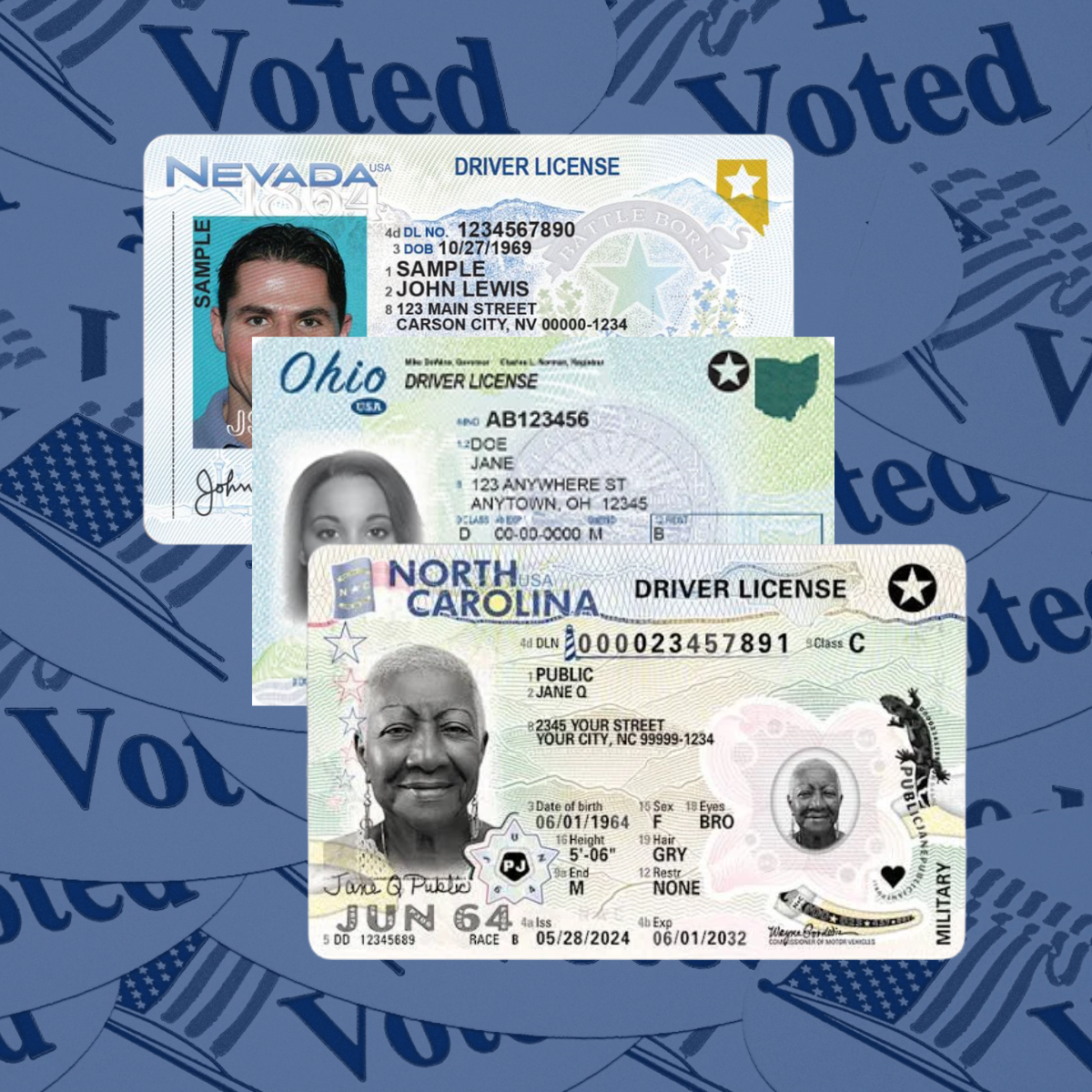
Voters in seven states decided voter ID measures: Oklahoma in August, followed by Arizona, California, Colorado, Nevada, North Carolina, and Ohio in November.
That’s the most in a single year. The previous high was three state ballot measures in 2022.
The results also broke from the past. From 2004 through 2025, voters approved 10 of 13 ID-related measures put before them. This year, the results were split:
- Voters rejected three of the four measures that would have added new ID requirements. Measures in Arizona, California, and Colorado failed. Only Nevada’s passed.
- Voters in North Carolina, Ohio, and Oklahoma approved adding their existing ID requirements to their state constitutions. These measures keep today’s voting rules in place but make future changes harder.
Supporters often cite voter ID’s broad popularity. But these results suggest a more complicated reality.
As MIT political scientist Charles Stewart noted to PolitiFact, “Majorities of voters support the idea of voter ID laws in principle, but when offered an actual law, they rejected them.”
Here the breakdown by state:
Arizona
PROP 144 FAILED
Arizona voters rejected Prop 144, with 53% voting no. Arizona already has some of the country’s strictest voter ID requirements. Prop 144 would have made them even stricter and added them to the state constitution.
Under Prop 144, voters could no longer have shown documents like a bank statement or utility bill instead of a government ID at the polls.
It would also have added an ID requirement for mail voting, creating new barriers for the 80% of Arizona voters who vote by mail.
Bottom line: Prop 144’s failure protected the voting rights of hundreds of thousands of Arizonans.
California
PROP 39 FAILED
In a huge win for voting access, 59% of California voters rejected Prop 39.
If it had passed, Prop 39 would have created California’s first statewide voter ID requirement, both in person and by mail.
It would also have required election officials to check voters’ citizenship against records with known errors. Outdated records, or mistaken matches with people who share a name or birth date, could have caused eligible voters to be wrongly removed from the voter rolls.
All together, Prop 39 was projected to cost “between tens of millions of dollars and low hundreds of millions of dollars each year.” A majority of California voters decided those resources could be better spent elsewhere
Colorado
AMENDMENT 84 FAILED
Amendment 84 would have been a massive change for Colorado voters. The state mails a ballot to every registered voter, and 92% of voters cast their ballot by mail in 2024. Most don’t need to show ID to vote by mail.
The measure would have added ID requirements for mail ballots to the state constitution, creating new barriers for almost every voter in the state. Ballots with an ID number that didn’t exactly match state records could also have been rejected.
Instead, 63% of Colorado voters decided to keep mail voting simple and accessible.
Nevada
QUESTION 7 PASSED
Question 7, which Nevada voters first approved in 2024, passed again. This result adds the state’s first voter ID requirement to the state constitution.
Voters will now need to show a photo ID to vote in person. To vote by mail, they’ll need to write the last 4 digits of their driver’s license or Social Security number on their ballot envelope. Voters who have neither will need the number their county clerk gave them when they registered, even if that was years ago.
A similar photo ID law in Indiana cost the state more than $10 million to put in place after it passed in 2005. Nevada’s official fiscal analysis of Question 7 says state and local governments will also need to spend money to carry out the new law before the 2028 election.
North Carolina
VOTER ID AMENDMENT PASSED
North Carolina’s constitution has required photo ID for in-person voting since 2018. This year, Voters approved an amendment that extends that requirement to absentee voting.
Nothing changes for voters right now. State law already requires North Carolina voters to show a photo ID at the polls or include a copy of one with their absentee ballot. Voters who can’t do either may be able to use an exception form.
What changes is how hard it is to undo. This amendment makes it more challenging to expand voter access in the future. To remove or change the constitutional requirement, a supermajority in both the state House and Senate has to approve a new amendment, and then voters must approve it too.
Ohio
ISSUE 3 PASSED
Ohio voters approved Issue 3, locking Ohio’s restrictive voter ID law into the state’s constitution. That law requires a government-issued photo ID to vote in person and an ID number to vote by mail.
This amendment makes it much harder to roll back these requirements and expand voter access in the future.
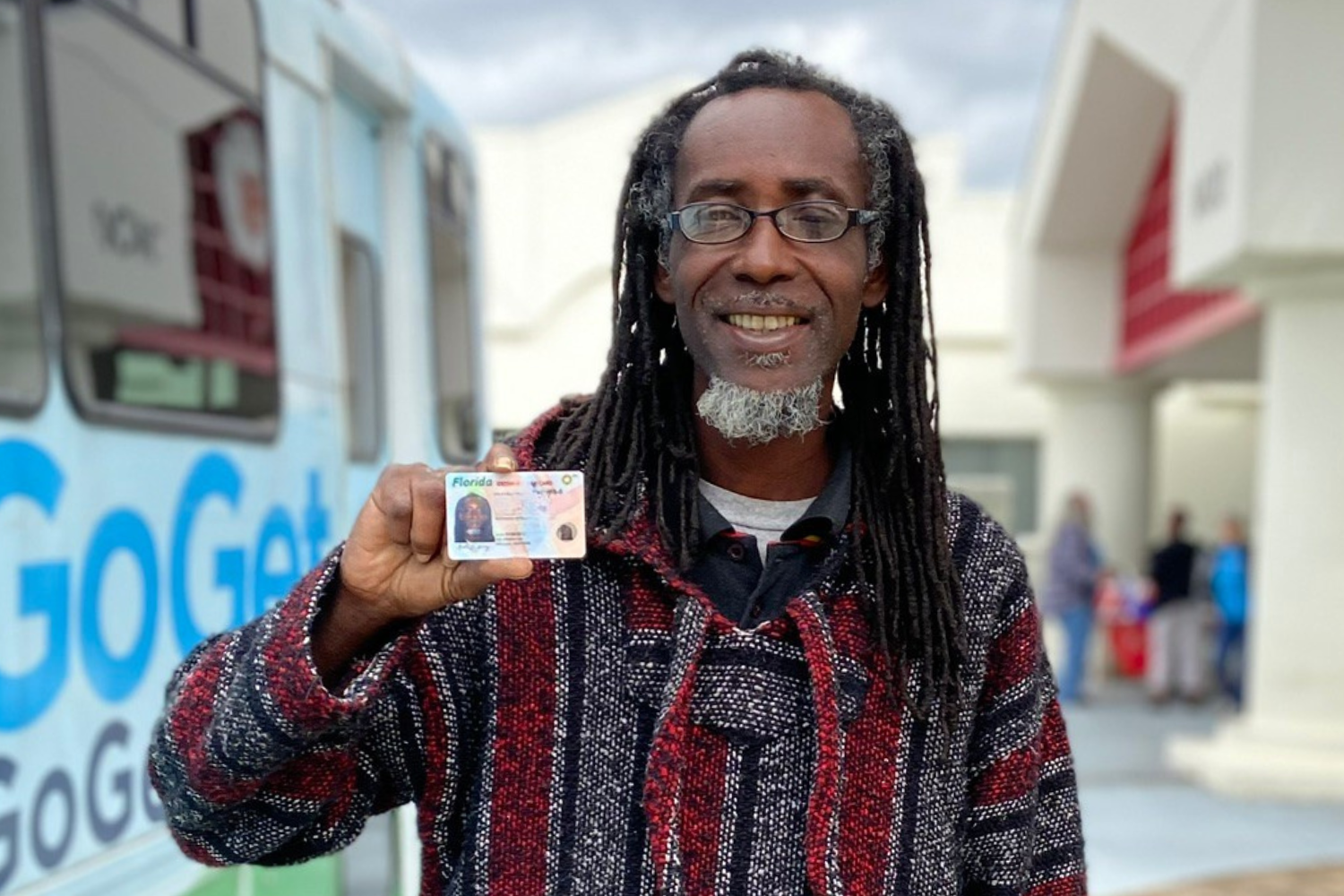
Ohio’s ID requirements already have real consequences for voters like Robert, who spent years in foster care as a child. When he tried to get an Ohio ID, he learned there was no record of his birth. He needed VoteRiders’ help to get through the long, difficult process of getting a birth certificate issued. Only then was he able to get his Ohio state ID.
Oklahoma
STATE QUESTION 846
Oklahoma voters approved State Question 846 in an August election. The amendment adds a voter ID requirement to the state constitution for voting in person and by mail. The Legislature will now decide which documents count as “proof of identity.”
Oklahoma voters already show ID at the polls, and mail voters generally have their ballot envelope notarized. Under the amendment, new ID rules are likely for mail voting, and in-person rules could change too.
Changing rules confuse voters, and confusion keeps eligible voters from casting their ballot. People have busy lives. If they can’t find clear information about how to vote, some won’t try. Others will try, be turned away, and be too discouraged to try again.
Michigan
What happened in Michigan this year also deserves attention. A proposed amendment to the Michigan Constitution would have required voters to prove their citizenship before casting a full ballot.
This measure didn’t make the ballot because its supporters failed to collect enough valid signatures. The US Supreme Court also rejected their last-minute appeal.
This was a major victory for free and fair elections in Michigan. But the measure’s supporters say they plan to try again in 2028.
Michigan likely won’t be the only state where voters see measures like these on the ballot again soon.
Through ballot measures and new legislation, more and more states are passing voter ID and proof of citizenship laws. The result is more costly, unnecessary, and harmful barriers for voters.
At VoteRiders, there are no “off” years. We help voters get the ID they need every day, and we need your help to keep going. Join us here!
